 واتس أب
 رقم الهاتف
 ميل
Owning Freehold Property in Dubai - Factors to Consider
Published: Nov 4, 2024 · Last updated: Oct 20, 2026 · Share

On this page
Interested in buying a property from SAMANA?
Freehold ownership is one of the strongest reasons international buyers choose Dubai real estate. In simple terms, it allows eligible buyers to own property in designated freehold areas with clear ownership rights.
For expats, overseas investors and end-users, this creates a secure route to buying a home, building a real estate portfolio or generating rental income in one of the world’s most active property markets. Dubai Land Department confirms that foreign ownership is permitted in freehold areas, while Emirati and GCC citizens have broader ownership rights across Dubai.
Whether you are buying your first apartment, investing in an off-plan property or looking for a long-term family home, understanding the key factors before purchase can help you make a confident and informed decision.
Rewards of Long-Term Investment
Dubai’s property market continues to attract strong local and international demand. According to Dubai Land Department data published by the Government of Dubai Media Office, Dubai recorded 125,538 real estate transactions worth approximately AED 431 billion in H1 2025, reflecting a 25% rise in value compared with the same period in 2024. The same update also highlighted strong investor activity across different nationalities and market segments.
Freehold property in Dubai can offer two key benefits: long-term capital growth and rental income potential. For investors, this makes freehold ownership a practical option for building wealth over time. For end-users, it offers stability, lifestyle value and the benefit of owning an asset in Dubai.
Factors to Consider and Steps to Buy Freehold Property in Dubai
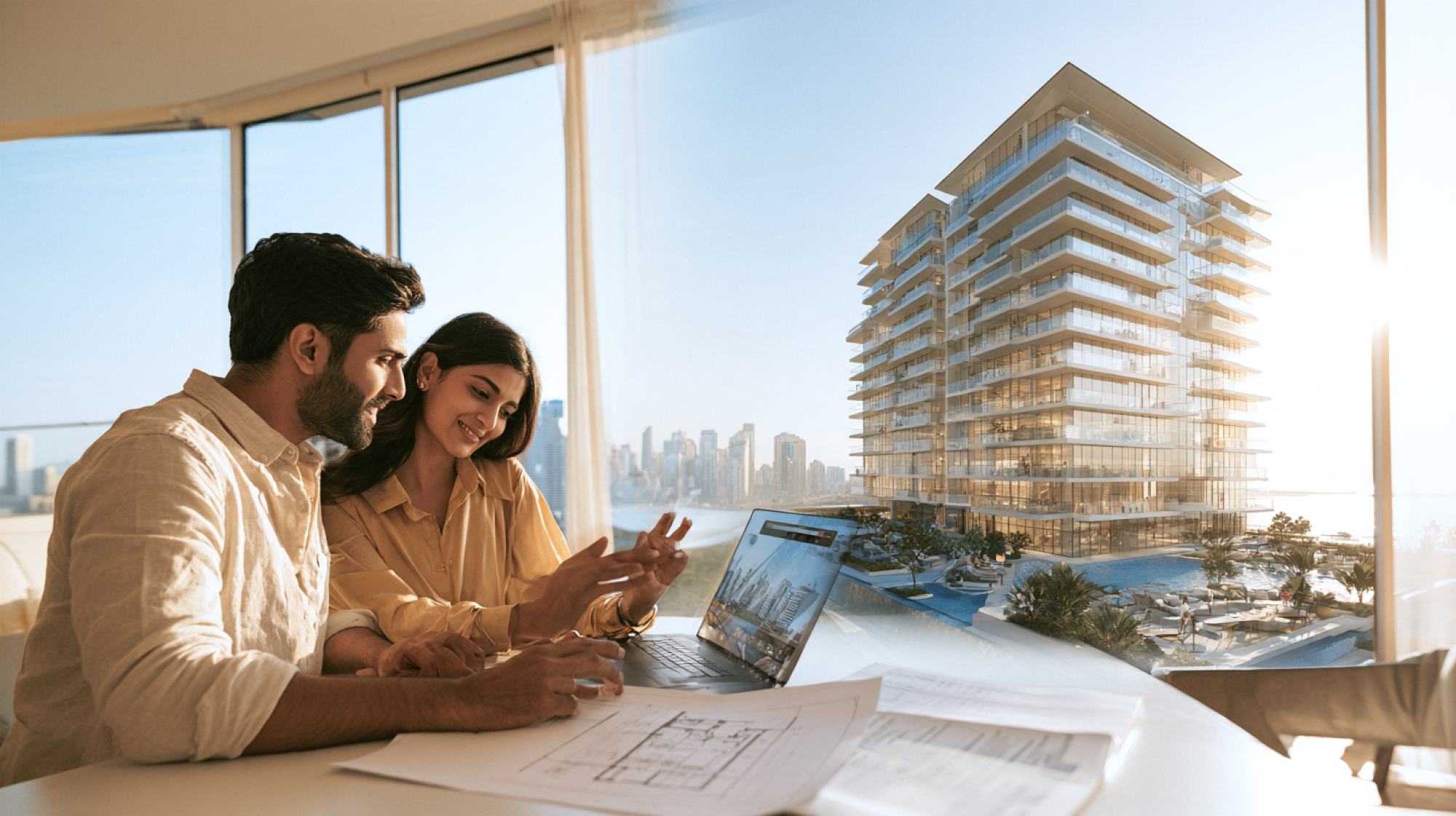
Buying freehold property in Dubai is a long-term decision. Follow the steps below and review the key factors at each stage.
| Step | What to Check | Why It Matters |
|---|---|---|
| 1. Set Your Budget and Total Costs | Down payment, DLD registration fees, service charges, mortgage costs, maintenance, utilities and property management fees. | Knowing the full cost helps buyers plan better and understand the real value of their investment. |
| 2. Choose the Location | Connectivity, nearby schools, malls, healthcare, business districts, public transport, future developments and rental demand. | A strong location supports lifestyle value, resale potential and long-term property investment growth. |
| 3. Select the Property Type | Apartments, townhouses, villas, penthouses, off-plan property in Dubai or ready homes. | The right property type depends on your budget, lifestyle, rental income goal and investment timeline. |
| 4. Choose the Developer or a RERA-Registered Agent | Project delivery record, construction quality, escrow compliance, payment plan, handover history and customer trust. If buying through a broker, confirm RERA registration. | A reliable developer reduces risk and gives buyers more confidence, especially in off-plan purchases. |
| 5. Complete Legal Due Diligence | Title deed, Sales and Purchase Agreement, payment plan, unit details, service charges, NOC, mortgage terms and handover date. | Proper checks protect buyer rights and ensure the transaction is correctly registered. |
| 6. Sign the Sales and Purchase Agreement (SPA) | Booking deposit, payment schedule and contract terms. | The SPA sets out the legal terms of the purchase. |
| 7. Register with Dubai Land Department (DLD) | Off-plan: registration in the Oqood system. Ready/resale: transfer at a DLD trustee office after the developer issues a NOC. | Registration makes the ownership legally recognised. |
| 8. Receive the Title Deed | Issued by DLD in the buyer’s name. For off-plan property, it is issued after handover. | The title deed is the official proof of ownership. |
Documents required: a valid passport (and Emirates ID for UAE residents), the signed SPA, a developer NOC for resale transfers, and proof of payment or a mortgage approval letter where applicable.
Additional Considerations
| Factor | Why It Matters |
|---|---|
| Rental Potential | Helps investors estimate income, occupancy and long-term yield. |
| Residency Visa | Property investors may qualify for long-term residency if eligibility conditions are met. |
| Remote Management | Useful for overseas buyers who need tenant handling, rent collection and maintenance support. |
| Service Charges | Impacts net rental return and yearly ownership cost. |
| Resale Demand | Strong locations and trusted developers usually perform better in the resale market. |
| Payment Plan | Flexible payment options can improve affordability and cash flow. |
| Buying Directly from the Developer | No broker commission or resale premium, access to developer payment plans, and a direct contract with the party responsible for construction and handover. |
Residency Visa Advantage
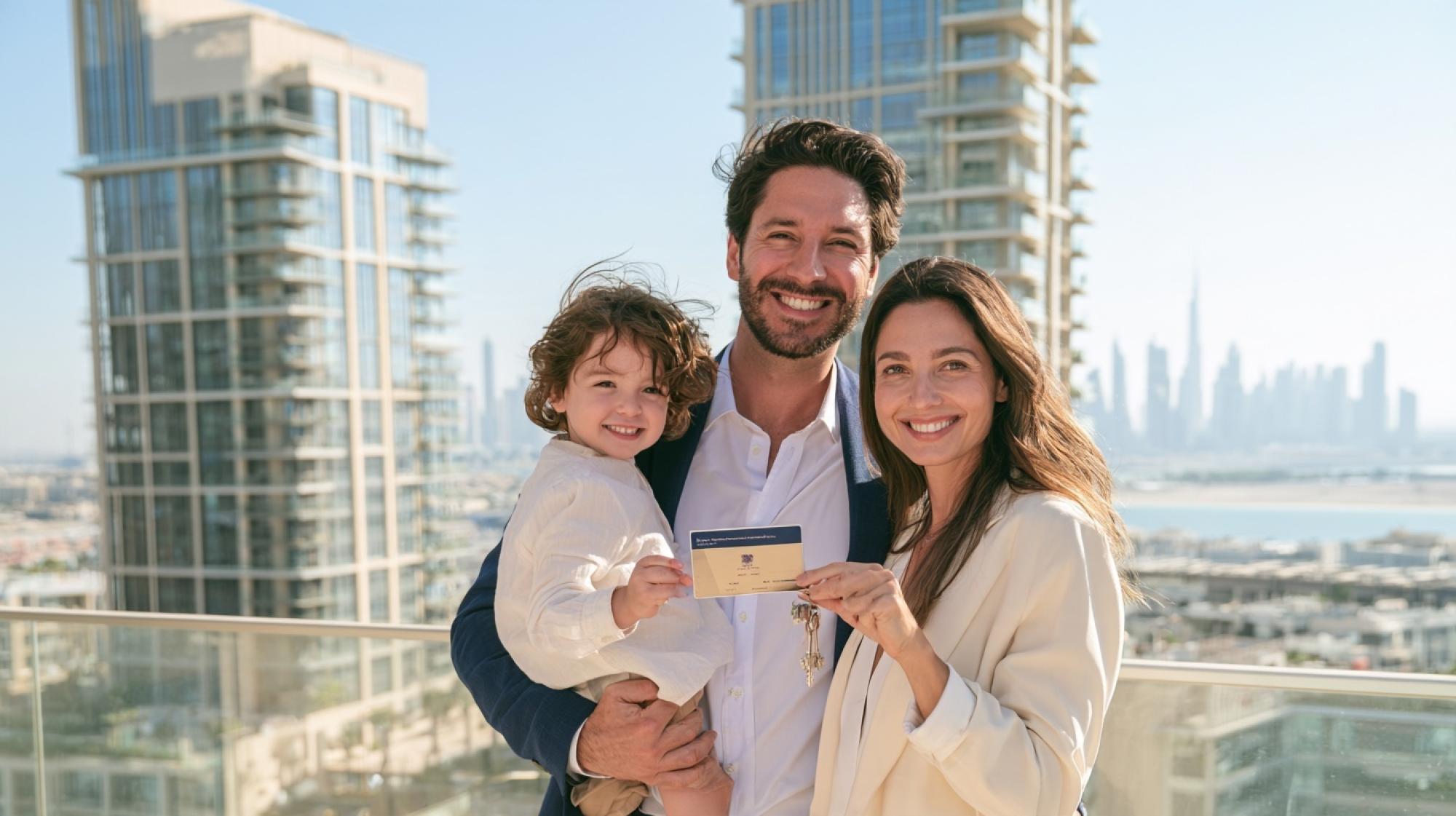
Dubai property ownership can also support residency planning. Dubai Land Department’s Golden Visa service allows a real estate investor who owns property with a purchase value of AED 2 million or more to apply for a 10-year renewable residence permit, subject to eligibility and documentation. The service also allows sponsorship of spouse, children and parents, based on applicable conditions. For many international buyers, this adds another layer of value to freehold property ownership in Dubai.
Conclusion
Owning freehold property in Dubai is more than a real estate purchase. It is a long-term lifestyle and investment decision backed by a transparent property system, strong infrastructure and global investor appeal.
The right property can offer rental income, capital growth, residency benefits and a secure base in one of the world’s most dynamic cities. The key is to choose the right location, work with a trusted developer, understand the full cost and complete proper due diligence before buying.
For buyers exploring Dubai real estate investment, freehold property remains one of the most attractive options for long-term value and ownership security.
Looking for SAMANA Projects in Dubai? Register your interest today or call 800-SAMANA and discover the latest payment plan and offers by SAMANA Developers.
FAQs
1. Can foreigners buy freehold property in Dubai?
Yes. Foreign buyers can own property in designated freehold areas in Dubai, as per Dubai Land Department guidelines.
2. Is freehold property in Dubai a good investment?
Freehold property can be a strong long-term investment when the location, developer, pricing, rental demand and payment plan are carefully evaluated.
3. What documents are required to buy property in Dubai?
For property sale registration, DLD lists Emirates ID for residents or a valid passport for non-resident foreigners, along with other required documents such as developer NOC where applicable.
4. Can property ownership help with a Dubai Golden Visa?
Yes, eligible real estate investors may apply for a 10-year renewable residence permit if the property value is AED 2 million or more, subject to DLD terms and approval.
5. Should I buy off-plan or ready property in Dubai?
Off-plan property may offer flexible payment plans and future value, while ready property can provide immediate use or rental income. The right choice depends on your budget, timeline and investment goal.
6. Can a freehold property in Dubai be rented or resold?
Yes. Freehold owners can rent, sell or transfer their property, subject to DLD registration, the SPA terms and community regulations. Resale of off-plan units may require developer approval and a minimum percentage paid.
7. Can freehold property in Dubai be inherited?
Yes. Freehold property can pass to heirs. Non-Muslim owners can register a will with the DIFC Wills Service Centre or the Dubai Courts to ensure the property is distributed according to their wishes.
8. What law governs freehold property in Dubai?
Dubai Law No. 7 of 2006 on Real Property Registration allows non-UAE nationals to own freehold property in designated areas.