 WhatsApp
 Телефон
 Почта
Почта

Dubai Metro Gold Line: Powering the Next Wave of Real Estate Growth Opportunities
Published: May 1, 2026 · Last updated: Sep 18, 2026 · Share
On this page
- A Strategic, Government-Driven Expansion
- Dubai Metro: Proven Impact, Not Theory
- The Gold Line Metro: Redefining Dubai’s Urban Geography
- Real Estate Economics: Why Metro Creates Early Value
- The Investor Advantage
- SAMANA Developers: Aligned with the Gold Line Growth Corridor
- High-Impact Corridors
- Beyond Dubai: A Connected UAE
- What Smart Investors Understand
- Frequently Asked Questions
Interested in buying a property from SAMANA?
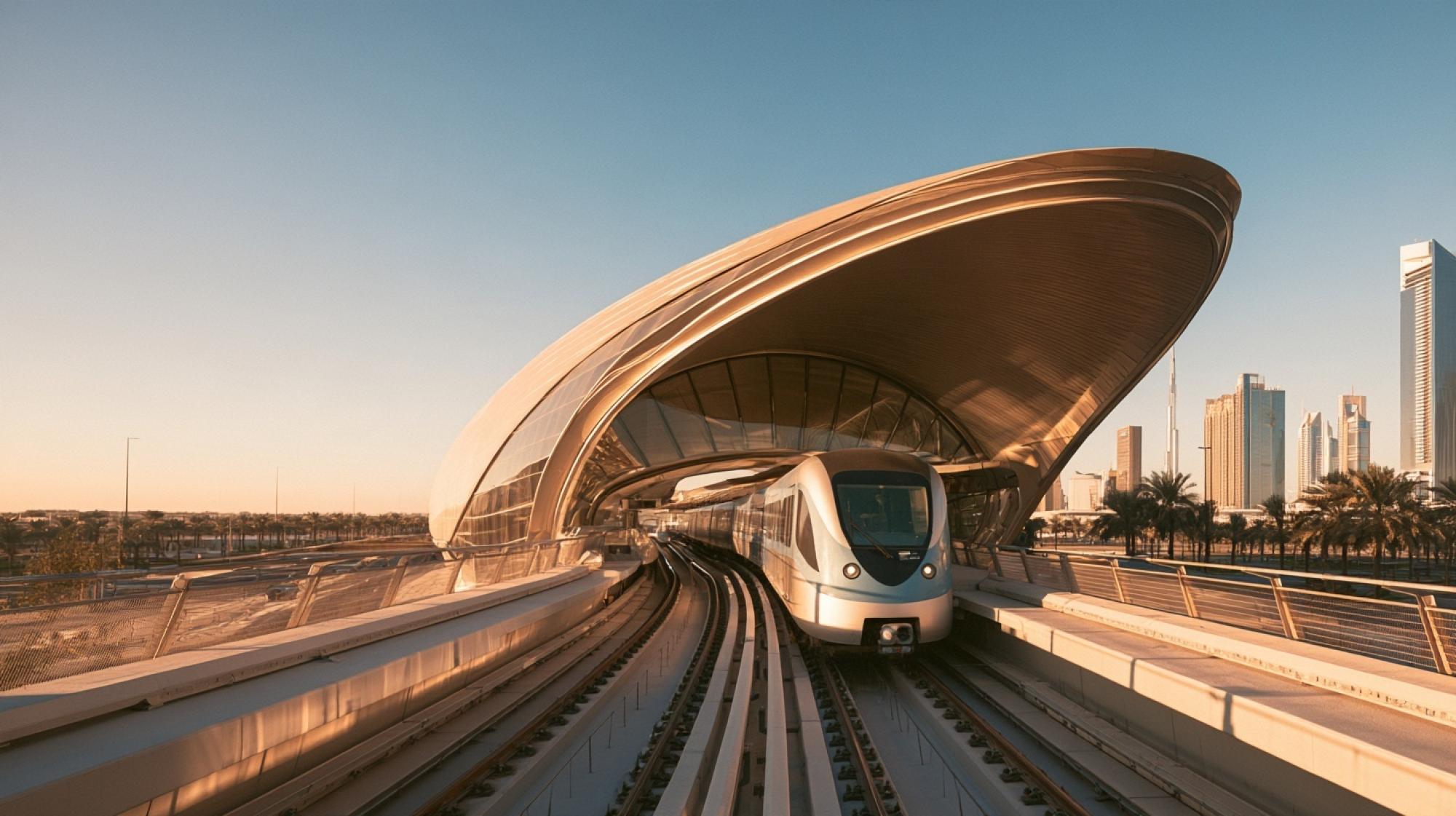
The proposed Dubai Metro Gold Line could open new real estate growth corridors by improving connectivity between established districts and emerging residential communities. For property investors, areas such as Jumeirah Village Circle, Arjan and Mohammed Bin Rashid City may warrant closer attention as transport planning, housing demand and urban development progress. However, investment decisions should rely on confirmed government updates rather than projections alone. This guide explains the Gold Line’s potential impact on accessibility, rental demand, property values and SAMANA projects across relevant communities, while showing how the network may support the Dubai 2040 Urban Master Plan and investment landscape.
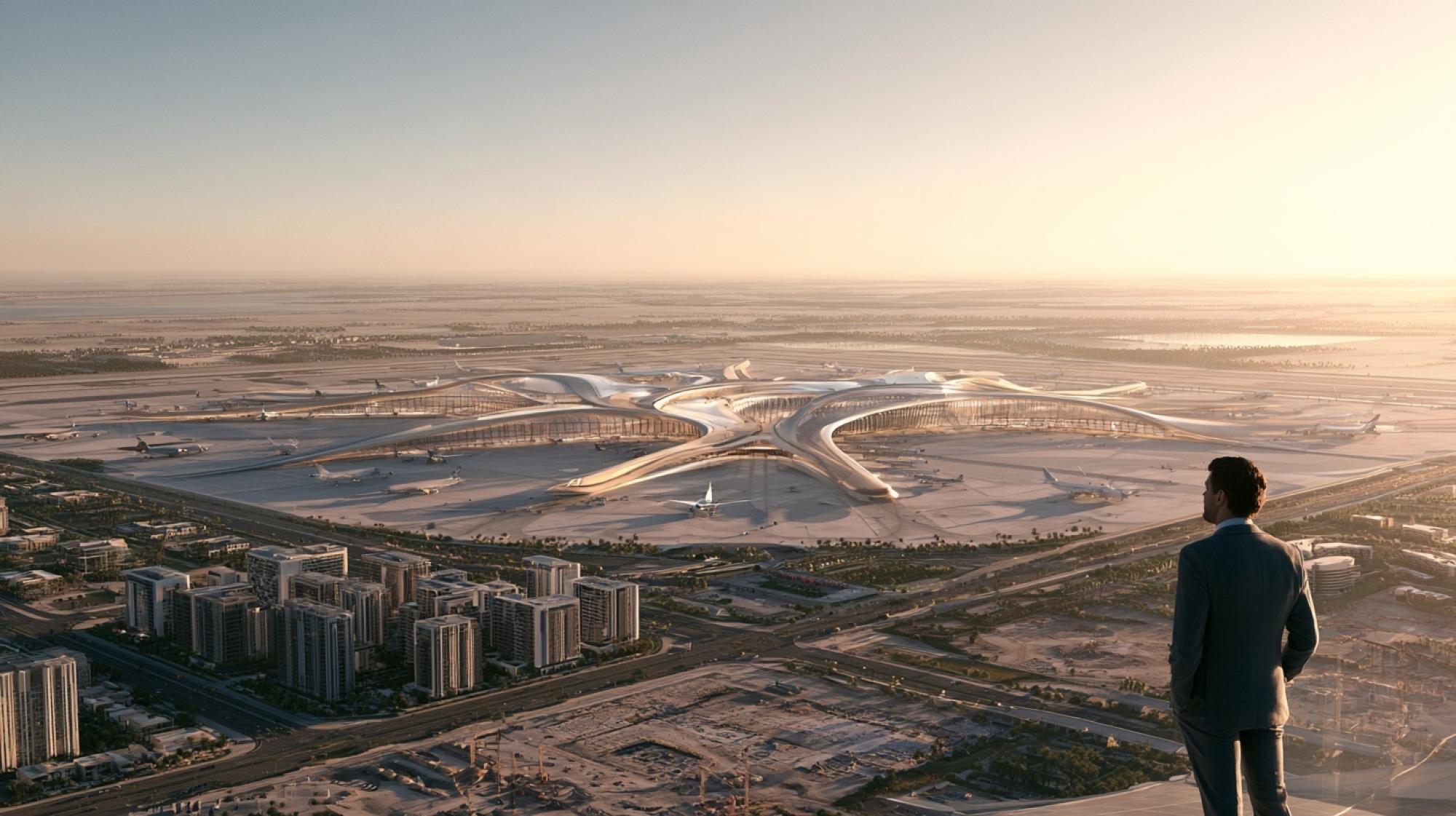
A planned 40+ kilometre metro expansion, widely
referred to as the Gold Line, is emerging as one of the most consequential
transport developments in Dubai’s modern history, positioned to reshape not
only mobility, but also how and where investors create wealth.
A Strategic, Government-Driven Expansion
Dubai’s transport growth is carefully planned and executed
by the Roads and Transport Authority, the entity overseeing the emirate’s
integrated mobility network.
According to Dubai Media Office, the upcoming phase of Gold Line metro expansion is expected to include:
- A proposed corridor of approximately 42 kilometers
- Connectivity across 15+ key areas
- Service reaches around 1.5 million residents
- Impact on 50+ major real estate developments (Source – RTA, Dubai Media Office)
While these numbers are still part of early planning, the
direction is clear, Dubai is actively expanding its infrastructure into
emerging residential areas, setting the stage for the city’s next growth phase.
Dubai Metro: Proven Impact, Not Theory
Since its launch in 2009, Dubai Metro has evolved into one
of the world’s most efficient urban transit systems. It is fully driverless,
automated metro system connecting key residential, business, and tourism hubs.
- 55 stations across the Red and Green Lines
- Around 90 km operational network length
- 2.5+ billion passengers served
- 250+ million annual riders (Source: RTA)
These figures go beyond transportation, it reflect broader economic transformation. In Dubai, metro infrastructure consistently delivers these measurable impacts:
- Reduces travel time across key districts
- Expands accessible residential and commercial zones
- Influences real estate pricing along connected
corridors
The Gold Line Metro: Redefining Dubai’s Urban Geography
The Metro Line is expected to create a stronger connection
between Old Dubai and emerging residential districts, reshaping how movement
and demand are distributed across the city.
From an urban planning perspective, it is highly strategic, designed to reduce east–west travel time, strengthen mid-market and family-oriented housing zones, and future integration with Etihad Rail networks.
This is not
a minor enhancement, it marks a system-wide transformation of Dubai’s urban
network, reshaping how the city connects, grows, and evolves.
Real Estate Economics: Why Metro Creates Early Value
In Dubai, infrastructure often reprices real estate even
before completion.
Data from DXB Interact shows metro announcements have previously driven double-digit price growth ahead of project milestones.
Key Drivers
- Investors price in future connectivity
- Developers reposition projects as metro-linked assets
- Demand shifts toward shorter commute locations
Impact Range
- ~20% Price uplift in established areas (estimates)
- 25–30% Price growth in newly connected zones (analyst projections)
These trends reflect historical patterns seen
across Dubai’s metro expansion cycles.
The Investor Advantage
Higher Yields Through Connectivity:
Metro access typically accelerates leasing activity, reduces vacancy rates, and supports stronger rental returns.
Early Entry Before Repricing:
Real Estate projects which are nearing completion, offer a strong early advantage, capturing value ahead of the full metro-driven demand cycle and upcoming price appreciation reflected in the market.
Better Exit Liquidity:
Well-connected properties tend to attract international buyers, corporate tenants, and long-term institutional investors.
Aligned with Dubai’s Long-Term Vision:
The Gold Line supports the Dubai 2040 Urban Master Plan, focused on reducing commute times & improving connectivity.
SAMANA Developers: Aligned with the Gold Line Growth Corridor
SAMANA Developers has strategically positioned
its portfolio across communities directly influenced by the upcoming Gold Line
Metro, where infrastructure-led growth is expected to reshape demand,
connectivity, and long-term value.
Since the announcement of the Gold Line Metro, demand in these areas has
started to rise quickly. Investors are moving fast, available units are
reducing, and early-stage properties are being taken up sooner than expected.
This is still an early window where prices remain attractive before the next
increase.
High-Impact Corridors
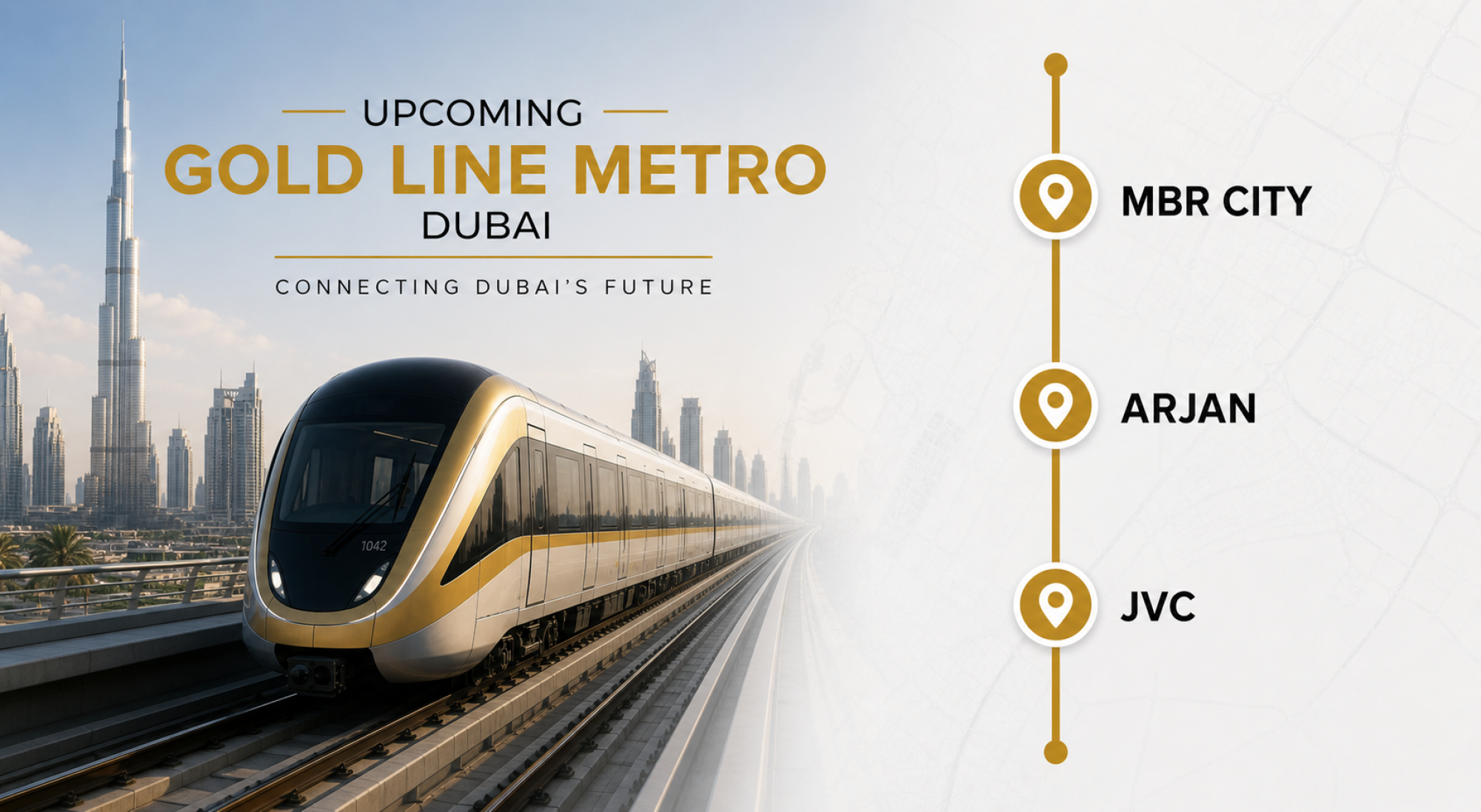
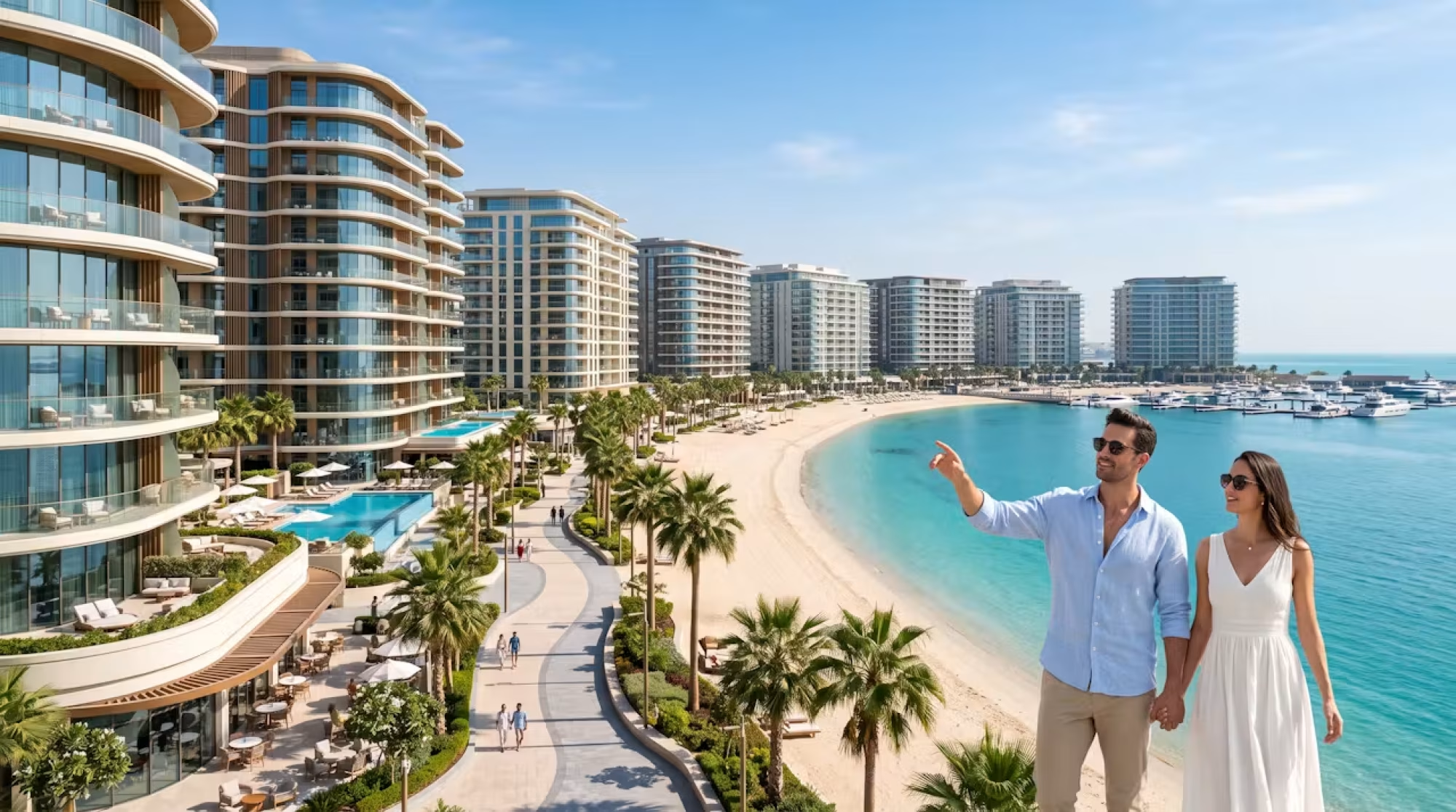
Mohammed Bin Rashid (MBR City) – A premium micro-market benefiting
from enhanced connectivity.
SAMANA Projects – MBR City
- Rome by SD
- Rome 2 by SD
- Rome 3 by SD
Arjan – Transitioning into highly connected residential districts, strengthening both investor confidence and end-user demand.
SAMANA Projects – Arjan
- Samana Green
- Samana Hills
- Samana Park Views
- Samana Mykonos Signature
- Samana Skyros
- Samana Imperial Garden
Jumeirah Village Circle (JVC) – A strong rental hub entering a new value phase with first-time metro connectivity under the Gold Line network.
SAMANA Projects – JVC
Beyond Dubai: A Connected UAE
The Gold
Line is more than a standalone project; it is part of a larger national
mobility vision shaping the future of connectivity across the UAE. With planned
integration into the rail network led by Etihad Rail, it enables seamless
travel between Dubai, Abu Dhabi, and other key emirates.
This evolution shifts the metro from a city transport system
to a regional mobility network, strengthening long-term accessibility and
supporting sustained real estate value growth.
What Smart Investors Understand
Dubai
consistently follows a proven cycle: infrastructure is announced, early
investors position first, demand shifts, and prices adjust upward. By the time
projects are completed, a significant portion of value appreciation is already
reflected in the market. The Dubai Metro Gold Line is a strong continuation of
this pattern—it highlights where the city is expanding, where demand will
concentrate, and where the next phase of value creation will emerge. For
investors aligned with SAMANA Developers, this represents a clear timing
advantage across key growth corridors.
Contact 800-SAMANA or submit your details to secure your place in Dubai’s next growth wave.
Frequently Asked Questions
What is the Dubai Metro Gold Line?
The Dubai Metro Gold Line is a proposed expansion intended to improve connectivity between established districts and emerging residential communities. Its final route, stations, construction schedule and opening date should be confirmed through official announcements from Dubai’s Roads and Transport Authority (RTA).
Has the Dubai Metro Gold Line been officially confirmed?
Some Gold Line details remain at the proposal or planning stage. Buyers should verify all route and station information through the RTA’s official channels before making a property investment decision based on expected metro access.
Which Dubai communities could benefit from the Gold Line?
Jumeirah Village Circle, Arjan and Mohammed Bin Rashid City are among the communities commonly associated with potential connectivity improvements. However, the areas directly served will depend on the final route and station locations announced by the authorities.
How could the Gold Line affect Dubai property prices?
Improved metro access can increase an area’s appeal by reducing travel time and strengthening access to employment and lifestyle destinations. This may support property demand and long-term price growth, although appreciation is not guaranteed and depends on supply, location and market conditions.
Could properties near the Gold Line generate higher rental demand?
Properties within convenient walking or feeder-bus distance of confirmed stations may attract tenants seeking easier commutes. Rental performance will also depend on the property’s price, unit type, building quality, amenities, service charges and surrounding infrastructure.
Is it advisable to invest before the Gold Line is completed?
Early investment may provide access to prices before infrastructure is operational, but it also carries planning, construction and timing risks. Buyers should assess the project independently and avoid relying entirely on an unconfirmed station or completion date.
Which SAMANA projects may benefit from the proposed Gold Line?
SAMANA has developments across JVC, Arjan and MBR City—communities that could benefit from wider transport and infrastructure improvements. The potential impact on an individual project should be assessed against its actual location, confirmed transport links, payment plan and expected rental demand.
What should investors verify before purchasing near a proposed metro route?
Investors should confirm the route through official RTA updates, review the project’s DLD registration and Oqood status, examine the SPA and payment plan, and compare local transactions, rental demand and service charges. A proposed metro connection should support the investment case, not replace proper due diligence.